

Structural Iron and Steel Workers
Raise, place, and unite iron or steel girders, columns, and other structural members to form completed structures or structural frameworks. May erect metal storage tanks and assemble prefabricated metal buildings.
What is this job like?
- Cut, bend, or weld steel pieces, using metal shears, torches, or welding equipment.
- Assemble hoisting equipment or rigging, such as cables, pulleys, or hooks, to move heavy equipment or materials.
- Insert sealing strips, wiring, insulating material, ladders, flanges, gauges, or valves, depending on types of structures being assembled.
- Drive drift pins through rivet holes to align rivet holes in structural steel members with corresponding holes in previously placed members.
- Insert sealing strips, wiring, insulating material, ladders, flanges, gauges, or valves, depending on types of structures being assembled.
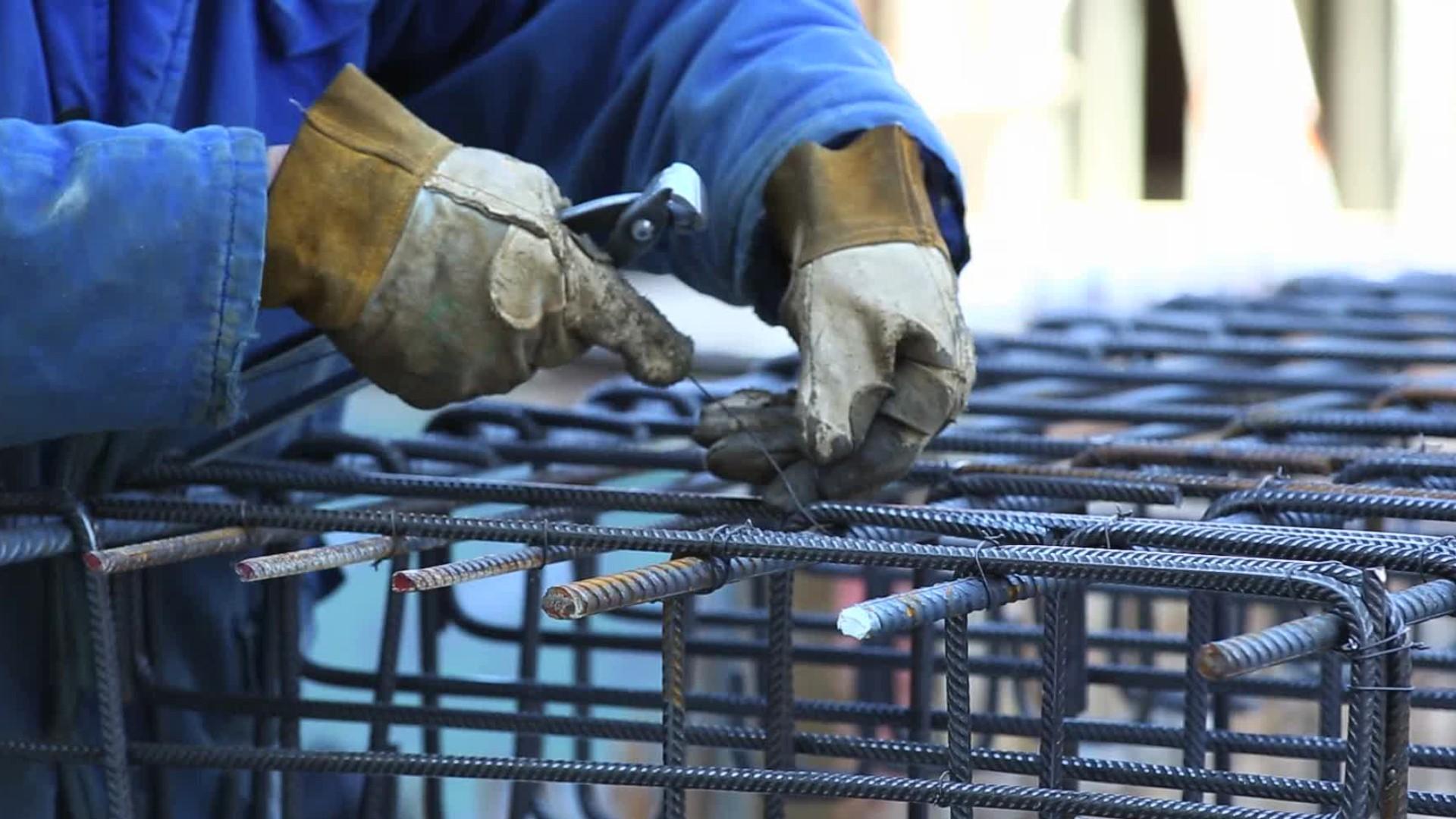
- Place blocks under reinforcing bars used to reinforce floors.
- Dismantle structures or equipment.
- Hoist steel beams, girders, or columns into place, using cranes or signaling hoisting equipment operators to lift and position structural steel members.
- Insert sealing strips, wiring, insulating material, ladders, flanges, gauges, or valves, depending on types of structures being assembled.
- Pull, push, or pry structural steel members into approximate positions for bolting into place.
- Fabricate metal parts, such as steel frames, columns, beams, or girders, according to blueprints or instructions from supervisors.
- Verify vertical and horizontal alignment of structural steel members, using plumb bobs, laser equipment, transits, or levels.
- Erect metal or precast concrete components for structures, such as buildings, bridges, dams, towers, storage tanks, fences, or highway guard rails.
- Hoist steel beams, girders, or columns into place, using cranes or signaling hoisting equipment operators to lift and position structural steel members.
- Unload and position prefabricated steel units for hoisting, as needed.
- Connect columns, beams, and girders with bolts, following blueprints and instructions from supervisors.
- Unload and position prefabricated steel units for hoisting, as needed.
- Catch hot rivets in buckets and insert rivets in holes, using tongs.
- Hold rivets while riveters use air hammers to form heads on rivets.
- Read specifications or blueprints to determine the locations, quantities, or sizes of materials required.
- Cut, bend, or weld steel pieces, using metal shears, torches, or welding equipment.
- Fasten structural steel members to hoist cables, using chains, cables, or rope.
- Bolt aligned structural steel members in position for permanent riveting, bolting, or welding into place.
- Force structural steel members into final positions, using turnbuckles, crowbars, jacks, or hand tools.
- Ride on girders or other structural steel members to position them, or use rope to guide them into position.
Local Wage Data
Showing wage data for: New Orleans
Entry
Median
High
Salary
Hourly Wage
$37,890
$60,500
$100,930
$18.22
$29.09
$48.53