

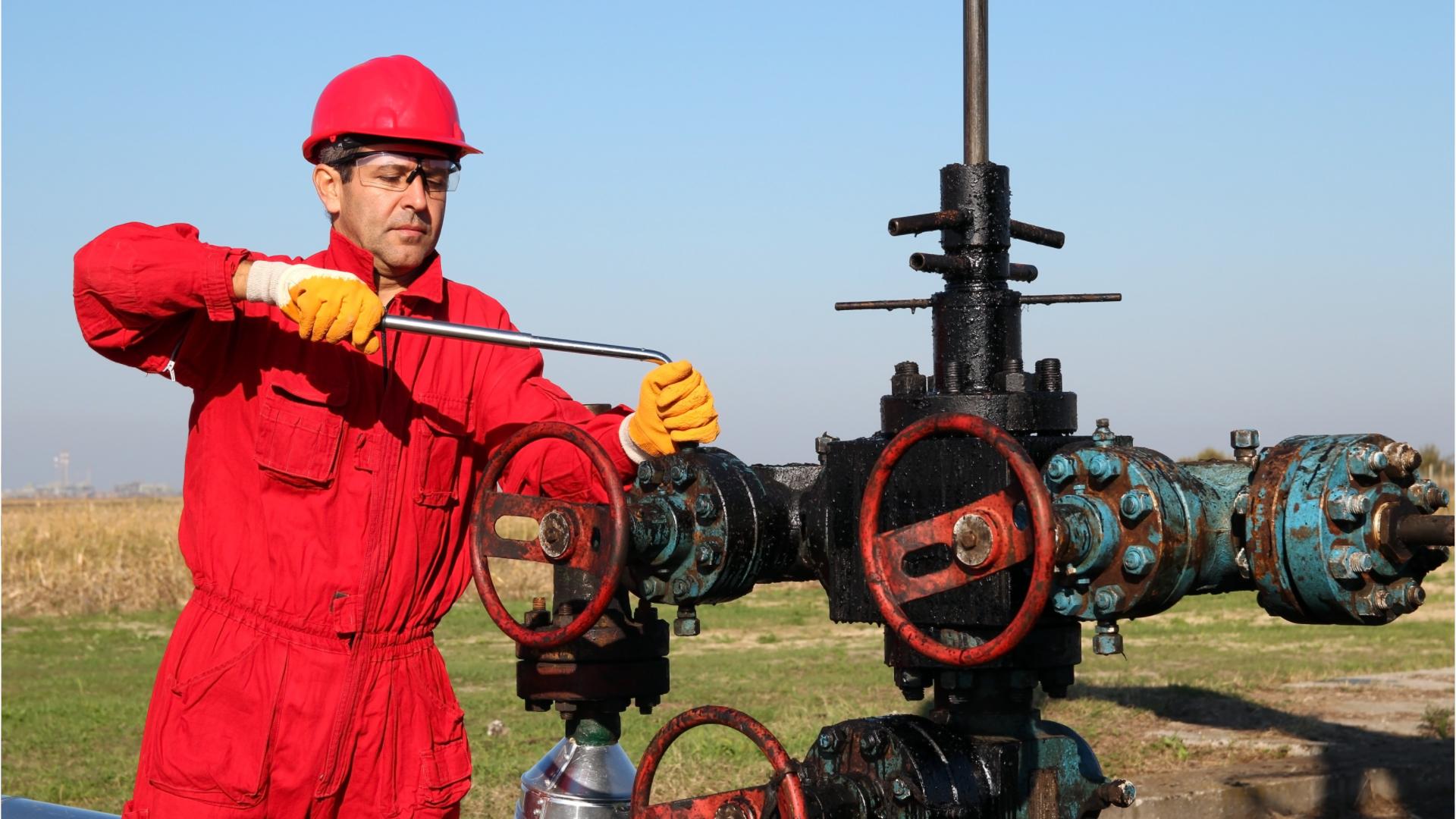
Pump Operators, Except Wellhead Pumpers
Tend, control, or operate power-driven, stationary, or portable pumps and manifold systems to transfer gases, oil, other liquids, slurries, or powdered materials to and from various vessels and processes.
What is this job like?
- Plan movement of products through lines to processing, storage, and shipping units, using knowledge of interconnections and capacities of pipelines, valve manifolds, pumps, and tankage.
- Read operating schedules or instructions or receive verbal orders to determine amounts to be pumped.
- Read operating schedules or instructions or receive verbal orders to determine amounts to be pumped.
- Tend auxiliary equipment such as water treatment and refrigeration units, and heat exchangers.
- Monitor gauges and flowmeters and inspect equipment to ensure that tank levels, temperatures, chemical amounts, and pressures are at specified levels, reporting abnormalities as necessary.
- Clean, lubricate, and repair pumps and vessels, using hand tools and equipment.
- Pump two or more materials into one tank to blend mixtures.
- Monitor gauges and flowmeters and inspect equipment to ensure that tank levels, temperatures, chemical amounts, and pressures are at specified levels, reporting abnormalities as necessary.
- Collect and deliver sample solutions for laboratory analysis.
- Turn valves and start pumps to start or regulate flows of substances such as gases, liquids, slurries, or powdered materials.
- Connect hoses and pipelines to pumps and vessels prior to material transfer, using hand tools.
- Tend vessels that store substances such as gases, liquids, slurries, or powdered materials, checking levels of substances by using calibrated rods or by reading mercury gauges and tank charts.
- Test materials and solutions, using testing equipment.
- Clean, lubricate, and repair pumps and vessels, using hand tools and equipment.
- Record operating data such as products and quantities pumped, stocks used, gauging results, and operating times.
- Collect and deliver sample solutions for laboratory analysis.
- Add chemicals and solutions to tanks to ensure that specifications are met.
- Communicate with other workers, using signals, radios, or telephones, to start and stop flows of materials or substances.
- Tend vessels that store substances such as gases, liquids, slurries, or powdered materials, checking levels of substances by using calibrated rods or by reading mercury gauges and tank charts.
Local Wage Data
Showing wage data for: New Orleans
Entry
Median
High
Salary
Hourly Wage
$37,950
$46,200
$49,600
$18.25
$22.21
$23.85