

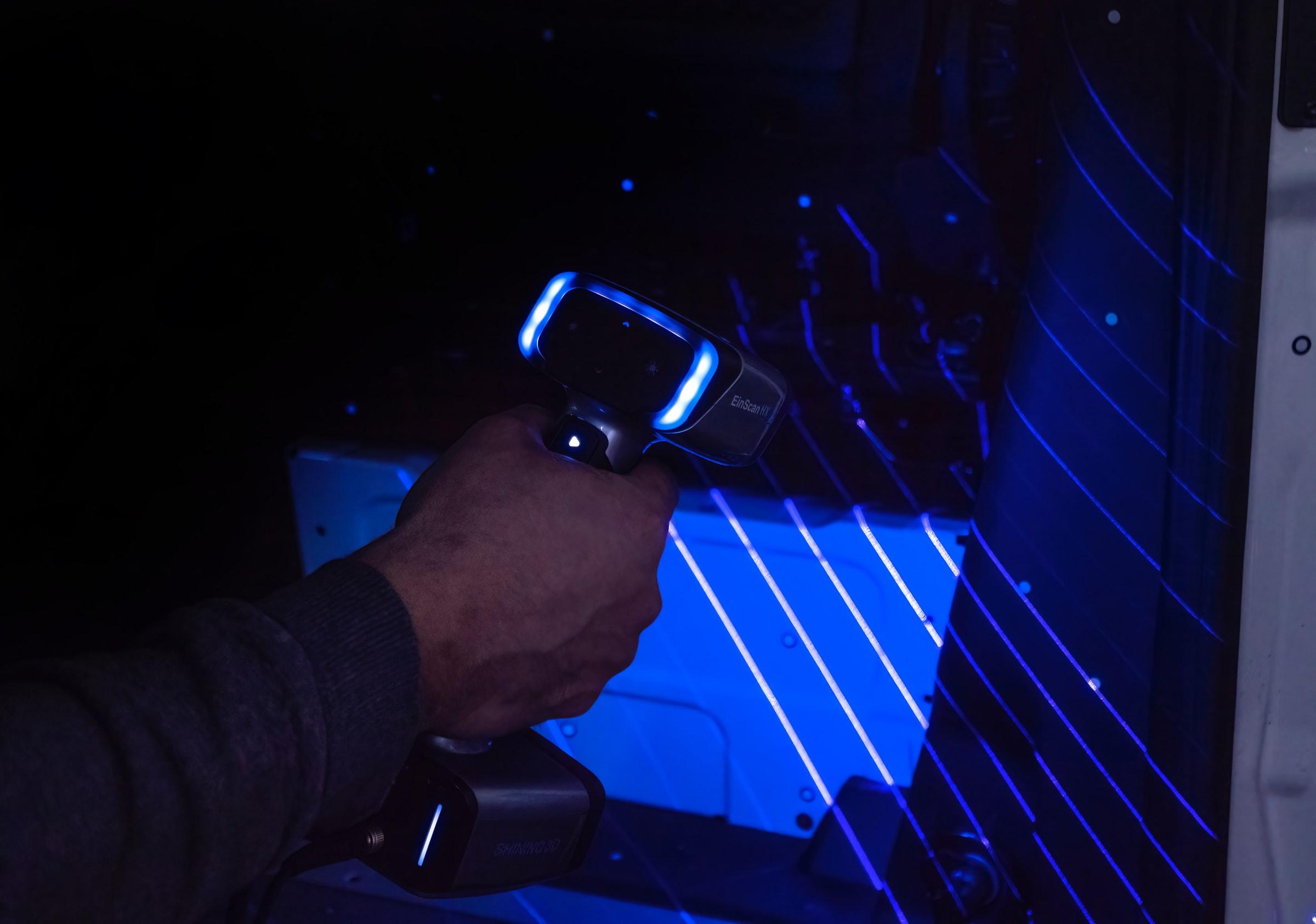
Photonics Engineers
Design technologies specializing in light information or light energy, such as laser or fiber optics technology.
What is this job like?
- Conduct research on new photonics technologies.
- Document photonics system or component design processes, including objectives, issues, or outcomes.
- Create or maintain photonic design histories.
- Analyze, fabricate, or test fiber-optic links.
- Develop optical or imaging systems, such as optical imaging products, optical components, image processes, signal process technologies, or optical systems.
- Oversee or provide expertise on manufacturing, assembly, or fabrication processes.
- Select, purchase, set up, operate, or troubleshoot state-of-the-art laser cutting equipment.
- Design or redesign optical fibers to minimize energy loss.
- Train operators, engineers, or other personnel.
- Analyze, fabricate, or test fiber-optic links.
- Document photonics system or component design processes, including objectives, issues, or outcomes.
- Design laser machining equipment for purposes such as high-speed ablation.
- Design electro-optical sensing or imaging systems.
- Design or develop new crystals for photonics applications.
- Write reports or proposals related to photonics research or development projects.
- Determine commercial, industrial, scientific, or other uses for electro-optical applications or devices.
- Design, integrate, or test photonics systems or components.
- Design, integrate, or test photonics systems or components.
- Select, purchase, set up, operate, or troubleshoot state-of-the-art laser cutting equipment.
- Determine applications of photonics appropriate to meet product objectives or features.
- Develop laser-processed designs, such as laser-cut medical devices.
- Write reports or proposals related to photonics research or development projects.
- Design solar energy photonics or other materials or devices to generate energy.
- Develop or test photonic prototypes or models.
- Develop or test photonic prototypes or models.
- Write reports or proposals related to photonics research or development projects.
- Develop photonics sensing or manufacturing technologies to improve the efficiency of manufacturing or related processes.
- Design gas lasers, solid state lasers, infrared, or other light emitting or light sensitive devices.
- Assist in the transition of photonic prototypes to production.
- Conduct testing to determine functionality or optimization or to establish limits of photonics systems or components.
- Read current literature, talk with colleagues, continue education, or participate in professional organizations or conferences to keep abreast of developments in the field.
- Create or maintain photonic design histories.
- Analyze system performance or operational requirements.
- Select, purchase, set up, operate, or troubleshoot state-of-the-art laser cutting equipment.
- Design photonics products, such as light sources, displays, or photovoltaics, to achieve increased energy efficiency.
Local Wage Data
Showing wage data for: New Orleans
Entry
Median
High
Salary
Hourly Wage
$47,380
$83,830
$132,920
$22.78
$40.30
$63.91