

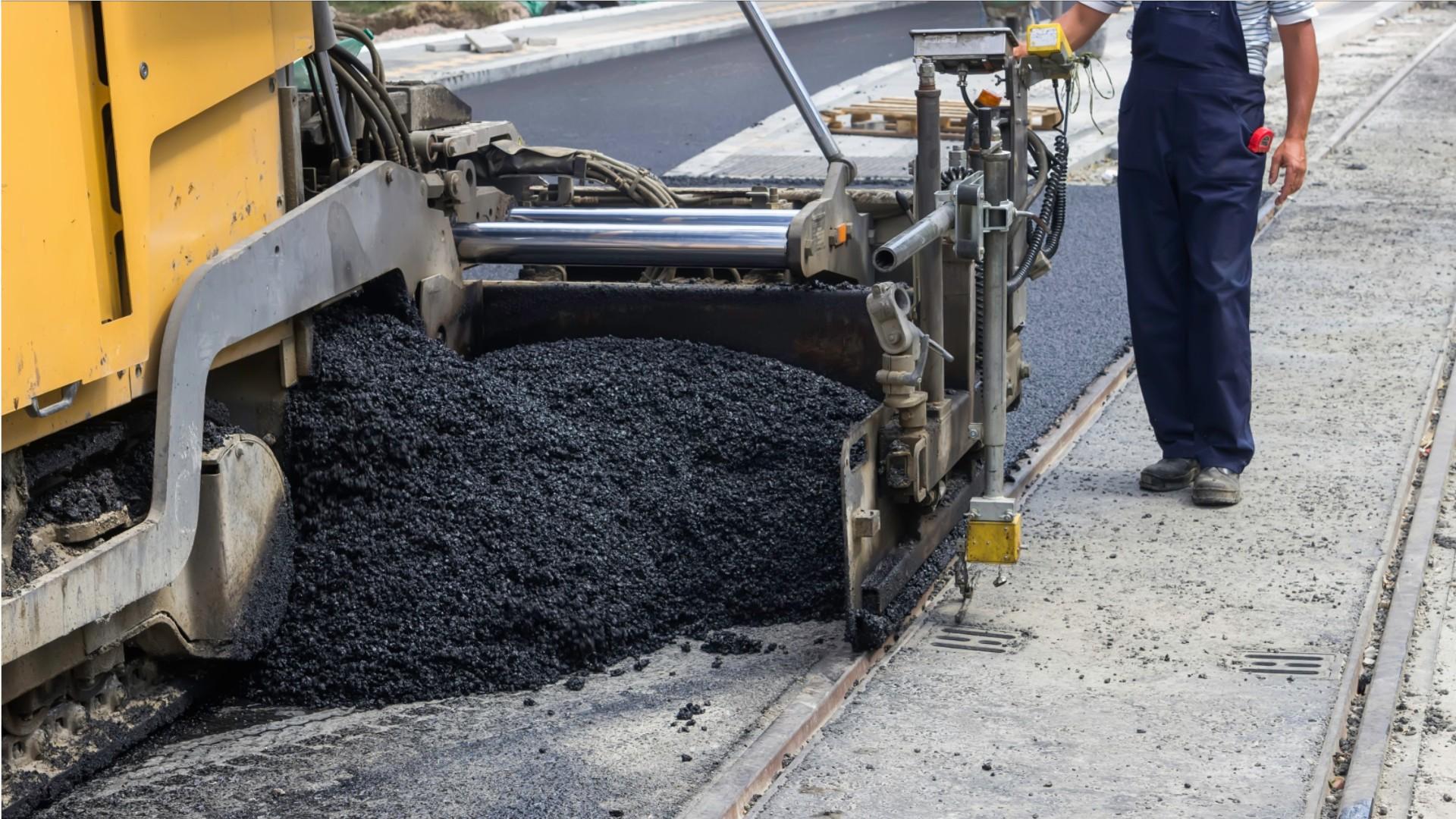
Operating Engineers and Other Construction Equipment Operators
Operate one or several types of power construction equipment, such as motor graders, bulldozers, scrapers, compressors, pumps, derricks, shovels, tractors, or front-end loaders to excavate, move, and grade earth, erect structures, or pour concrete or other hard surface pavement. May repair and maintain equipment in addition to other duties.
What is this job like?
- Start engines, move throttles, switches, or levers, or depress pedals to operate machines, such as bulldozers, trench excavators, road graders, or backhoes.
- Signal operators to guide movement of tractor-drawn machines.
- Operate loaders to pull out stumps, rip asphalt or concrete, rough-grade properties, bury refuse, or perform general cleanup.
- Drive tractor-trailer trucks to move equipment from site to site.
- Monitor operations to ensure that health and safety standards are met.
- Compile cost estimates for jobs.
- Learn and follow safety regulations.
- Connect hydraulic hoses, belts, mechanical linkages, or power takeoff shafts to tractors.
- Drive and maneuver equipment equipped with blades in successive passes over working areas to remove topsoil, vegetation, or rocks or to distribute and level earth or terrain.
- Coordinate machine actions with other activities, positioning or moving loads in response to hand or audio signals from crew members.
- Push other equipment when extra traction or assistance is required.
- Operate equipment to demolish or remove debris or to remove snow from streets, roads, or parking lots.
- Select and fasten bulldozer blades or other attachments to tractors, using hitches.
- Test atmosphere for adequate oxygen or explosive conditions when working in confined spaces.
- Load and move dirt, rocks, equipment, or other materials, using trucks, crawler tractors, power cranes, shovels, graders, or related equipment.
- Take actions to avoid potential hazards or obstructions, such as utility lines, other equipment, other workers, or falling objects.
- Talk to clients and study instructions, plans, or diagrams to establish work requirements.
- Operate road watering, oiling, or rolling equipment, or street sealing equipment, such as chip spreaders.
- Turn valves to control air or water output of compressors or pumps.
- Repair and maintain equipment, making emergency adjustments or assisting with major repairs as necessary.
- Keep records of material or equipment usage or problems encountered.
- Locate underground services, such as pipes or wires, prior to beginning work.
- Align machines, cutterheads, or depth gauge makers with reference stakes and guidelines or ground or position equipment, following hand signals of other workers.
- Operate compactors, scrapers, or rollers to level, compact, or cover refuse at disposal grounds.
- Coordinate machine actions with other activities, positioning or moving loads in response to hand or audio signals from crew members.
- Perform specialized work, using equipment, such as pile drivers, dredging rigs, drillers, or concrete pumpers.
- Operate tractors or bulldozers to perform such tasks as clearing land, mixing sludge, trimming backfills, or building roadways or parking lots.
- Adjust handwheels and depress pedals to control attachments, such as blades, buckets, scrapers, or swing booms.
- Select and fasten bulldozer blades or other attachments to tractors, using hitches.
- Talk to clients and study instructions, plans, or diagrams to establish work requirements.
- Check fuel supplies at sites to ensure adequate availability.
Local Wage Data
Showing wage data for: New Orleans
Entry
Median
High
Salary
Hourly Wage
$36,750
$51,430
$93,060
$17.67
$24.73
$44.74