

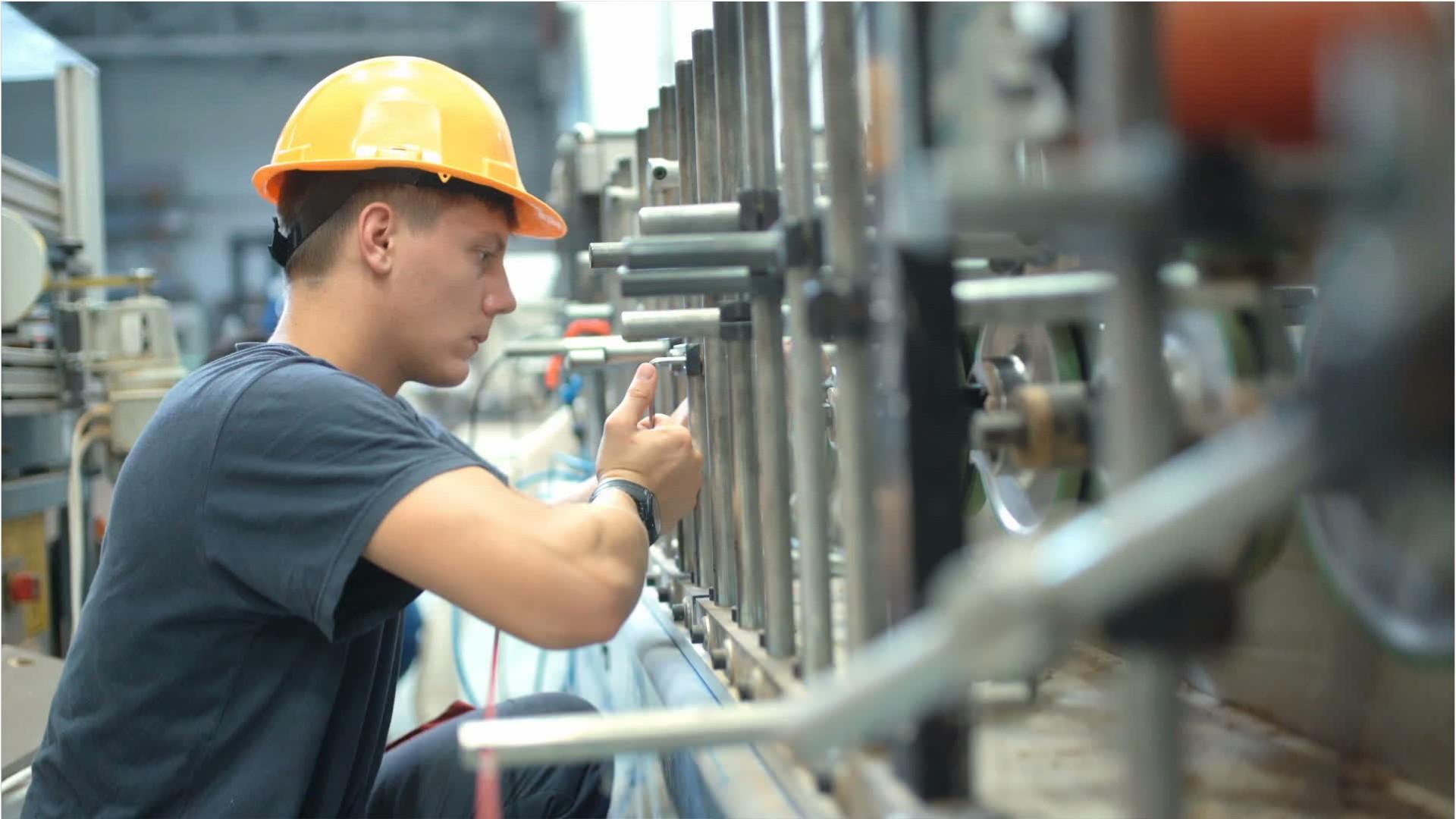
Machinists
Set up and operate a variety of machine tools to produce precision parts and instruments out of metal. Includes precision instrument makers who fabricate, modify, or repair mechanical instruments. May also fabricate and modify parts to make or repair machine tools or maintain industrial machines, applying knowledge of mechanics, mathematics, metal properties, layout, and machining procedures.
What is this job like?
- Install repaired parts into equipment or install new equipment.
- Support metalworking projects from planning and fabrication through assembly, inspection, and testing, using knowledge of machine functions, metal properties, and mathematics.
- Dismantle machines or equipment, using hand tools or power tools to examine parts for defects and replace defective parts where needed.
- Test experimental models under simulated operating conditions, for purposes such as development, standardization, or feasibility of design.
- Set up or operate metalworking, brazing, heat-treating, welding, or cutting equipment.
- Advise clients about the materials being used for finished products.
- Install repaired parts into equipment or install new equipment.
- Fit and assemble parts to make or repair machine tools.
- Align and secure holding fixtures, cutting tools, attachments, accessories, or materials onto machines.
- Operate equipment to verify operational efficiency.
- Design fixtures, tooling, or experimental parts to meet special engineering needs.
- Dispose of scrap or waste material in accordance with company policies and environmental regulations.
- Confer with engineering, supervisory, or manufacturing personnel to exchange technical information.
- Install experimental parts or assemblies, such as hydraulic systems, electrical wiring, lubricants, or batteries into machines or mechanisms.
- Separate scrap waste and related materials for reuse, recycling, or disposal.
- Prepare working sketches for the illustration of product appearance.
- Set up or operate metalworking, brazing, heat-treating, welding, or cutting equipment.
- Lay out, measure, and mark metal stock to display placement of cuts.
- Support metalworking projects from planning and fabrication through assembly, inspection, and testing, using knowledge of machine functions, metal properties, and mathematics.
- Establish work procedures for fabricating new structural products, using a variety of metalworking machines.
- Calculate dimensions or tolerances, using instruments, such as micrometers or vernier calipers.
- Machine parts to specifications, using machine tools, such as lathes, milling machines, shapers, or grinders.
- Confer with numerical control programmers to check and ensure that new programs or machinery will function properly and that output will meet specifications.
- Operate equipment to verify operational efficiency.
- Diagnose machine tool malfunctions to determine need for adjustments or repairs.
- Dismantle machines or equipment, using hand tools or power tools to examine parts for defects and replace defective parts where needed.
- Calculate dimensions or tolerances, using instruments, such as micrometers or vernier calipers.
- Machine parts to specifications, using machine tools, such as lathes, milling machines, shapers, or grinders.
- Measure, examine, or test completed units to check for defects and ensure conformance to specifications, using precision instruments, such as micrometers.
- Set up, adjust, or operate basic or specialized machine tools used to perform precision machining operations.
- Program computers or electronic instruments, such as numerically controlled machine tools.
- Study sample parts, blueprints, drawings, or engineering information to determine methods or sequences of operations needed to fabricate products.
- Monitor the feed and speed of machines during the machining process.
- Maintain machine tools in proper operational condition.
- Evaluate machining procedures and recommend changes or modifications for improved efficiency or adaptability.
- Check work pieces to ensure that they are properly lubricated or cooled.
- Test experimental models under simulated operating conditions, for purposes such as development, standardization, or feasibility of design.
- Lay out, measure, and mark metal stock to display placement of cuts.
Local Wage Data
Showing wage data for: New Orleans
Entry
Median
High
Salary
Hourly Wage
$34,070
$48,680
$75,230
$16.38
$23.40
$36.17