

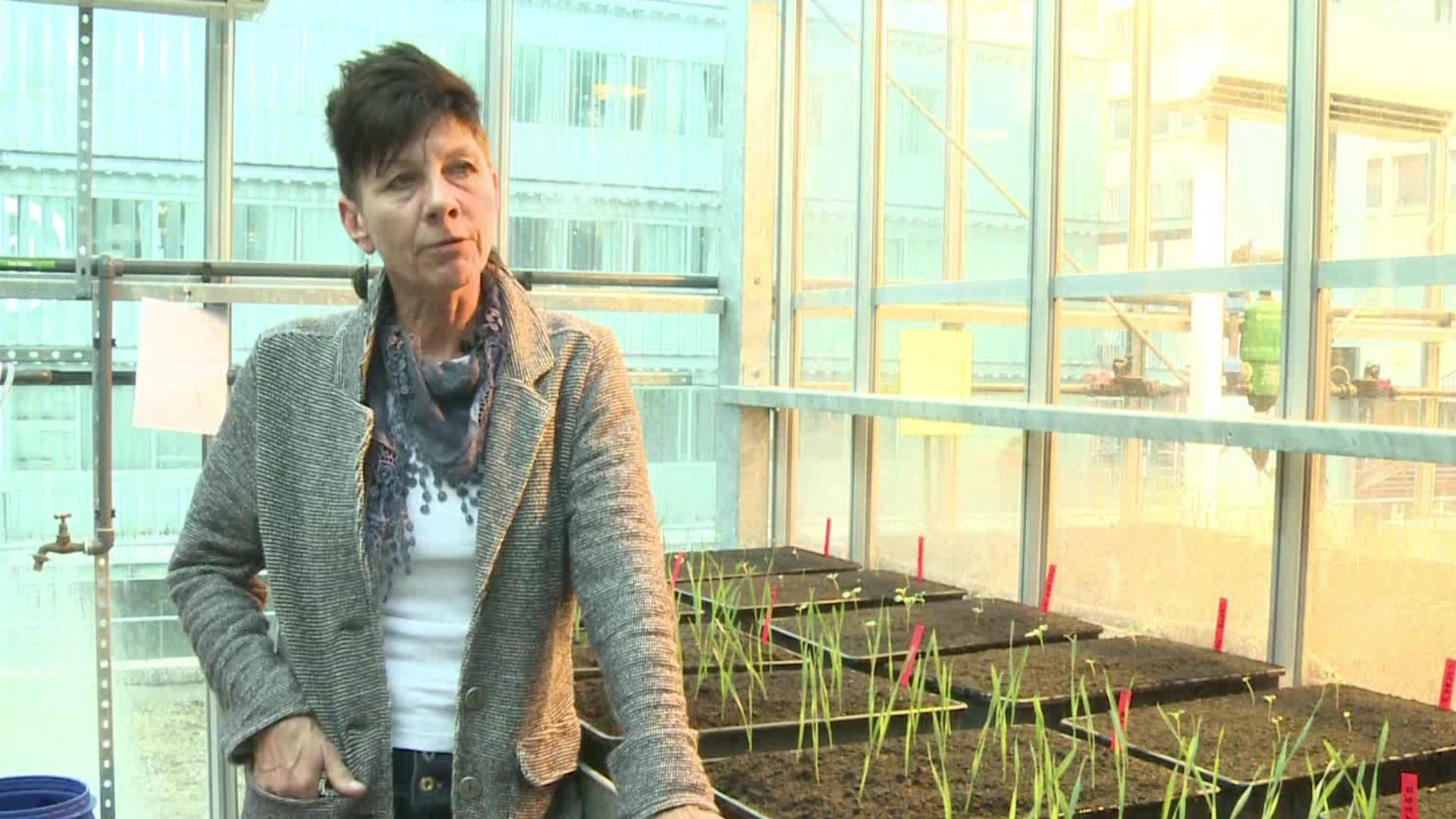
Environmental Scientists and Specialists, Including Health
Conduct research or perform investigation for the purpose of identifying, abating, or eliminating sources of pollutants or hazards that affect either the environment or public health. Using knowledge of various scientific disciplines, may collect, synthesize, study, report, and recommend action based on data derived from measurements or observations of air, food, soil, water, and other sources.
What is this job like?
- Review and implement environmental technical standards, guidelines, policies, and formal regulations that meet all appropriate requirements.
- Design or direct studies to obtain technical environmental information about planned projects.
- Supervise or train students, environmental technologists, technicians, or other related staff.
- Prepare charts or graphs from data samples, providing summary information on the environmental relevance of the data.
- Communicate scientific or technical information to the public, organizations, or internal audiences through oral briefings, written documents, workshops, conferences, training sessions, or public hearings.
- Develop the technical portions of legal documents, administrative orders, or consent decrees.
- Monitor environmental impacts of development activities.
- Provide scientific or technical guidance, support, coordination, or oversight to governmental agencies, environmental programs, industry, or the public.
- Research sources of pollution to determine their effects on the environment and to develop theories or methods of pollution abatement or control.
- Investigate and report on accidents affecting the environment.
- Analyze data to determine validity, quality, and scientific significance and to interpret correlations between human activities and environmental effects.
- Supervise or train students, environmental technologists, technicians, or other related staff.
- Plan or develop research models, using knowledge of mathematical and statistical concepts.
- Develop programs designed to obtain the most productive, non-damaging use of land.
- Develop methods to minimize the impact of production processes on the environment, based on the study and assessment of industrial production, environmental legislation, and physical, biological, and social environments.
- Provide advice on proper standards and regulations or the development of policies, strategies, or codes of practice for environmental management.
- Evaluate violations or problems discovered during inspections to determine appropriate regulatory actions or to provide advice on the development and prosecution of regulatory cases.
- Monitor effects of pollution or land degradation and recommend means of prevention or control.
- Conduct environmental audits or inspections or investigations of violations.
- Determine data collection methods to be employed in research projects or surveys.
- Process and review environmental permits, licenses, or related materials.
- Conduct applied research on environmental topics, such as waste control or treatment or pollution abatement methods.
- Monitor effects of pollution or land degradation and recommend means of prevention or control.
- Collect, synthesize, analyze, manage, and report environmental data, such as pollution emission measurements, atmospheric monitoring measurements, meteorological or mineralogical information, or soil or water samples.
- Design or direct studies to obtain technical environmental information about planned projects.
Local Wage Data
Showing wage data for: New Orleans
Entry
Median
High
Salary
Hourly Wage
$45,590
$64,250
$128,160
$21.92
$30.89
$61.62