

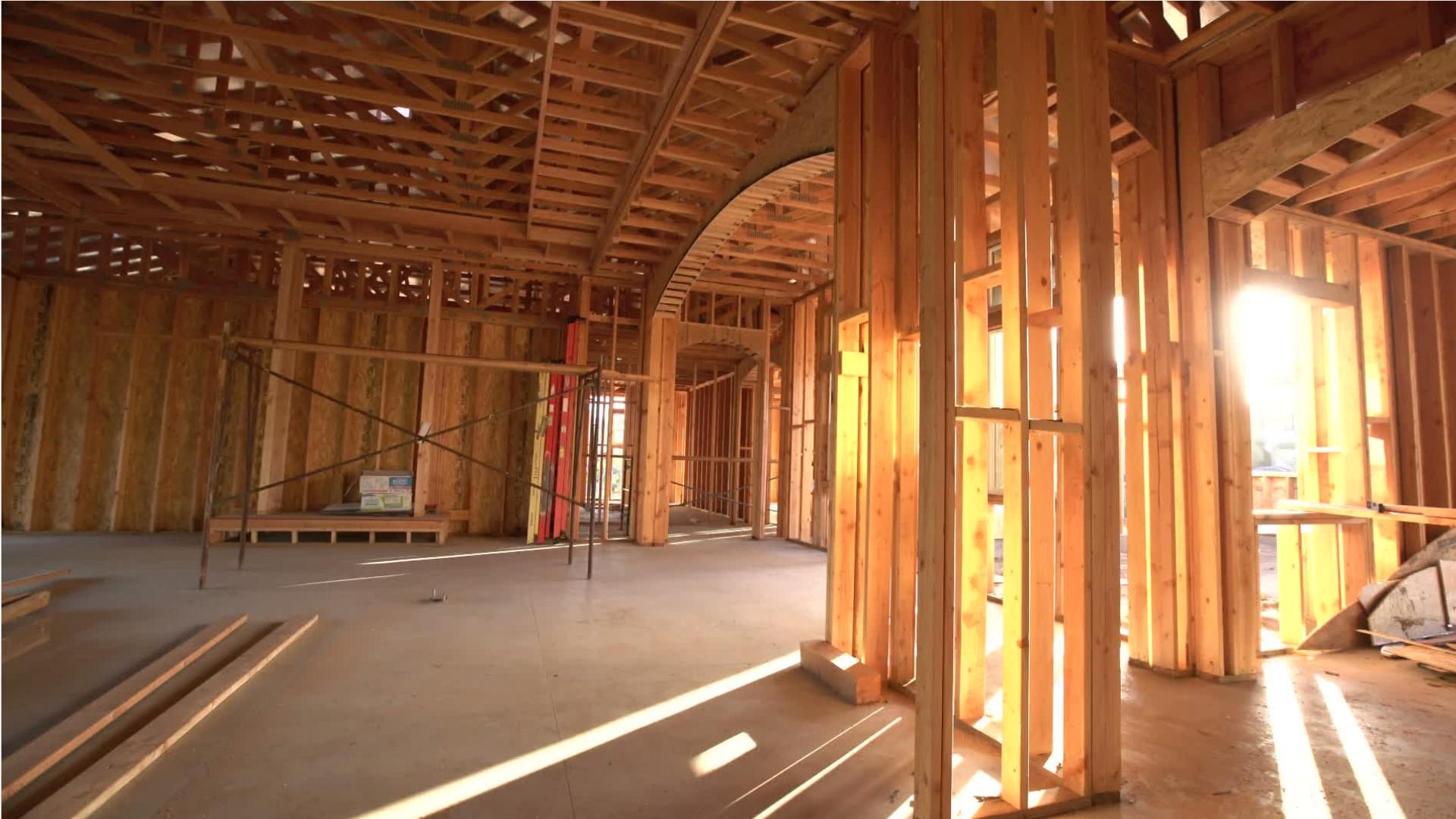
Carpenters
Construct, erect, install, or repair structures and fixtures made of wood and comparable materials, such as concrete forms; building frameworks, including partitions, joists, studding, and rafters; and wood stairways, window and door frames, and hardwood floors. May also install cabinets, siding, drywall, and batt or roll insulation. Includes brattice builders who build doors or brattices (ventilation walls or partitions) in underground passageways.
What is this job like?
- Select and order lumber or other required materials.
- Examine structural timbers and supports to detect decay, and replace timbers as required, using hand tools, nuts, and bolts.
- Anchor and brace forms and other structures in place, using nails, bolts, anchor rods, steel cables, planks, wedges, and timbers.
- Follow established safety rules and regulations and maintain a safe and clean environment.
- Measure and mark cutting lines on materials, using a ruler, pencil, chalk, and marking gauge.
- Assemble and fasten materials to make frameworks or props, using hand tools and wood screws, nails, dowel pins, or glue.
- Install structures or fixtures, such as windows, frames, floorings, trim, or hardware, using carpenters' hand or power tools.
- Install structures or fixtures, such as windows, frames, floorings, trim, or hardware, using carpenters' hand or power tools.
- Arrange for subcontractors to deal with special areas, such as heating or electrical wiring work.
- Build or repair cabinets, doors, frameworks, floors, or other wooden fixtures used in buildings, using woodworking machines, carpenter's hand tools, or power tools.
- Bore boltholes in timber, masonry or concrete walls, using power drill.
- Select and order lumber or other required materials.
- Examine structural timbers and supports to detect decay, and replace timbers as required, using hand tools, nuts, and bolts.
- Construct forms or chutes for pouring concrete.
- Perform minor plumbing, welding, or concrete mixing work.
- Perform minor plumbing, welding, or concrete mixing work.
- Install rough door and window frames, subflooring, fixtures, or temporary supports in structures undergoing construction or repair.
- Finish surfaces of woodwork or wallboard in houses or buildings, using paint, hand tools, or paneling.
- Dig or direct digging of post holes and set poles to support structures.
- Dig or direct digging of post holes and set poles to support structures.
- Build sleds from logs and timbers for use in hauling camp buildings and machinery through wooded areas.
- Cover subfloors with building paper to keep out moisture and lay hardwood, parquet, or wood-strip-block floors by nailing floors to subfloor or cementing them to mastic or asphalt base.
- Erect scaffolding or ladders for assembling structures above ground level.
- Maintain records, document actions, and present written progress reports.
- Measure and mark cutting lines on materials, using a ruler, pencil, chalk, and marking gauge.
- Study specifications in blueprints, sketches, or building plans to prepare project layout and determine dimensions and materials required.
- Shape or cut materials to specified measurements, using hand tools, machines, or power saws.
- Verify trueness of structure, using plumb bob and level.
- Inspect ceiling or floor tile, wall coverings, siding, glass, or woodwork to detect broken or damaged structures.
- Install structures or fixtures, such as windows, frames, floorings, trim, or hardware, using carpenters' hand or power tools.
- Remove damaged or defective parts or sections of structures and repair or replace, using hand tools.
- Install rough door and window frames, subflooring, fixtures, or temporary supports in structures undergoing construction or repair.
- Dig or direct digging of post holes and set poles to support structures.
- Fill cracks or other defects in plaster or plasterboard and sand patch, using patching plaster, trowel, and sanding tool.
- Construct forms or chutes for pouring concrete.
- Install rough door and window frames, subflooring, fixtures, or temporary supports in structures undergoing construction or repair.
- Apply shock-absorbing, sound-deadening, or decorative paneling to ceilings or walls.
- Maintain job records and schedule work crew.
- Work with or remove hazardous material.
- Prepare cost estimates for clients or employers.
Local Wage Data
Showing wage data for: New Orleans
Entry
Median
High
Salary
Hourly Wage
$36,160
$51,390
$89,950
$17.39
$24.71
$43.25